
Tips for Creating a Relaxing Home Workspace to Boost Productivity
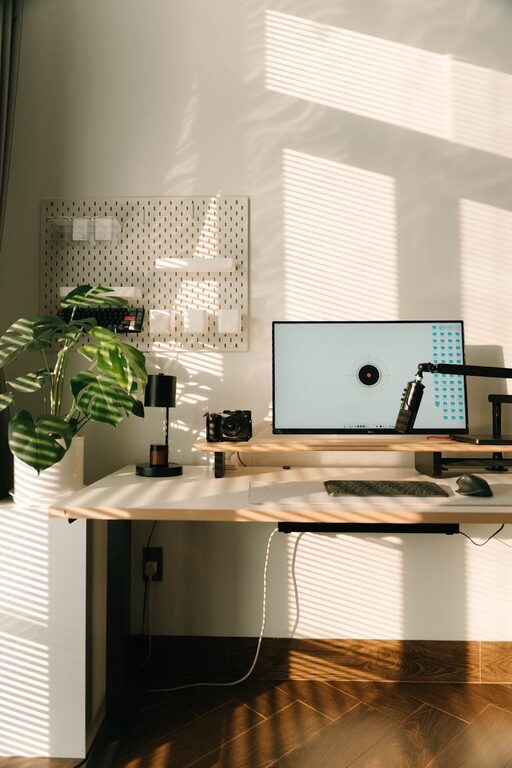
Creating a relaxing home workspace is essential for maintaining productivity and well-being when working from home. A well-designed area helps reduce stress, improve concentration, and makes daily tasks more enjoyable. In this post, we explore practical tips to set up a calming environment that encourages efficiency without feeling overwhelming.
Why a Relaxing Workspace Matters
Working at home offers flexibility but also presents challenges, such as distractions and the blurred lines between personal and work life. Having a dedicated, peaceful workspace can:
– Improve focus and reduce procrastination
– Decrease work-related stress
– Support good posture and physical health
– Establish a clear boundary between work and relaxation
With these benefits in mind, you can create a space that nurtures your productivity while keeping you relaxed.
Choose the Right Location
Pick a Quiet Corner
Look for a spot in your home where you’re less likely to be disturbed. If possible, avoid high-traffic areas like the kitchen or living room, especially during busy times. A quiet corner or spare room can provide a sanctuary where concentration comes naturally.
Consider Natural Light
Natural light boosts mood and energy levels, which helps maintain focus throughout the day. Position your desk near a window, but avoid direct glare on your screen. If natural light is limited, invest in a daylight lamp to simulate sunlight.
Invest in Comfortable Furniture
Supportive Chair
An ergonomic chair with good lumbar support prevents back pain and improves posture. Sitting comfortably means you can work for longer periods without discomfort.
Desk Size and Height
Choose a desk that fits your space and work style. It should be large enough to hold your essentials without feeling cluttered. The height should allow your arms to rest comfortably at a 90-degree angle when typing.
Keep It Organised and Clutter-Free
Use Storage Solutions
Tidy surfaces help clear the mind and reduce distractions. Use shelves, drawers, and boxes to store items neatly out of sight. Label containers if needed for quick access.
Daily Tidying Routine
Spend a few minutes at the end of each day clearing your workspace. Putting things away and wiping down surfaces creates a fresh start for tomorrow.
Create a Calming Atmosphere
Choose Soothing Colours
Soft, neutral tones like pale blues, greens, or greys tend to be calming and help reduce anxiety. Avoid overly bright or distracting colours.
Add Personal Touches
Include a few personal items like photos, plants, or artwork to make your space welcoming and inspiring. Plants not only look attractive but also improve air quality and can lift your mood.
Incorporate Relaxing Scents
Using essential oils or scented candles with calming fragrances, such as lavender or eucalyptus, can enhance your sense of calm while working.
Manage Noise Effectively
Use Noise-Cancelling Headphones
If background noise is unavoidable, noise-cancelling headphones can improve concentration by blocking distractions.
Play Background Music or White Noise
Some people find soft instrumental music or white noise helpful in maintaining focus. Experiment to find what works best for you.
Set Boundaries and Establish Routine
Define Your Working Hours
Maintaining consistent start and finish times helps separate work from personal life, reducing stress and overworking.
Communicate Space Limits
If you share your home, let others know when you need quiet or uninterrupted time.
Take Breaks Regularly
Short breaks every hour to stretch, rest your eyes, or walk around improve mental clarity and prevent fatigue.
Use Technology Wisely
Keep Digital Tools Organised
Use apps and calendars to manage tasks efficiently. Avoid clutter on your computer desktop and close unnecessary tabs to stay focused.
Manage Notifications
Turn off non-essential notifications during work hours to minimise distractions from social media, emails, or messages.
Maintain Good Posture and Movement
Adjust Screen Height
Position your monitor so the top of the screen is at eye level to avoid neck strain.
Stretch and Move
Incorporate gentle stretches or a quick walk into your routine to keep muscles relaxed and circulation flowing.
Final Thoughts
A relaxing home workspace is a vital tool for boosting productivity and maintaining balance when working remotely. By thoughtfully organising your environment, choosing the right furniture, and incorporating calming elements, you can create a space that supports both focus and well-being. Remember, your workspace should reflect your personal needs and preferences—take the time to tailor it until it feels just right.
With these tips in mind, you’re ready to design a home workspace that helps you work smarter, not harder.
