Tips for Creating a Relaxing Home Workspace to Boost Productivity
Creating a relaxing home workspace is essential for maintaining productivity and well-being when working from home. A carefully designed environment can help reduce stress, improve focus, and make your daily tasks more enjoyable. Whether you have a dedicated office room or a small corner in your living area, making the space calming and organised can make all the difference. Here are some practical tips to help you set up a home workspace that boosts productivity while keeping you relaxed.
Choose the Right Location
The first step in creating a relaxing workspace is choosing the right spot in your home. Ideally, this should be a quiet area with minimal distractions.
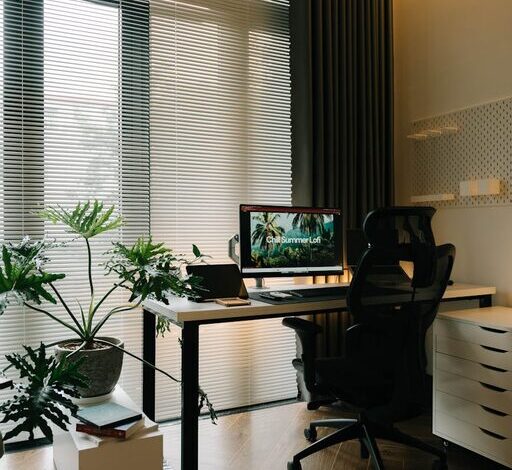
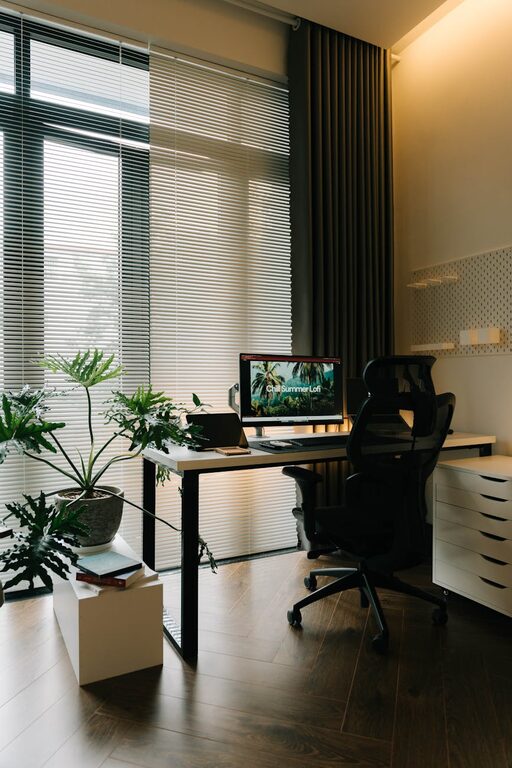
– Natural light: Position your desk near a window to benefit from daylight, which improves mood and alertness.
– Avoid high-traffic areas: Choose a space away from noisy zones like the kitchen or living room where interruptions are more likely.
– Separate work from leisure: Even if space is limited, try to keep your workstation distinct from where you relax or sleep to maintain boundaries between work and personal life.
Invest in Comfortable Furniture
Comfort plays a big role in how relaxed and productive you feel during work hours.
– Ergonomic chair: A good chair with proper back support helps prevent discomfort and posture problems.
– Adjustable desk: If possible, opt for a desk that allows you to alternate between sitting and standing.
– Desk size: Make sure your desk is spacious enough for your computer, paperwork, and any other essentials without feeling cluttered.
Keep Your Workspace Organised
A tidy environment reduces stress and increases focus by minimising distractions.
– Storage solutions: Use shelves, drawers, and desk organisers to keep documents and supplies in order.
– Cable management: Tidy up wires with clips or sleeves to keep your desk looking neat.
– Declutter regularly: Set aside time each week to clear out unnecessary items from your workspace.
Add Calming Elements
Small touches can make your workspace feel more inviting and soothing.
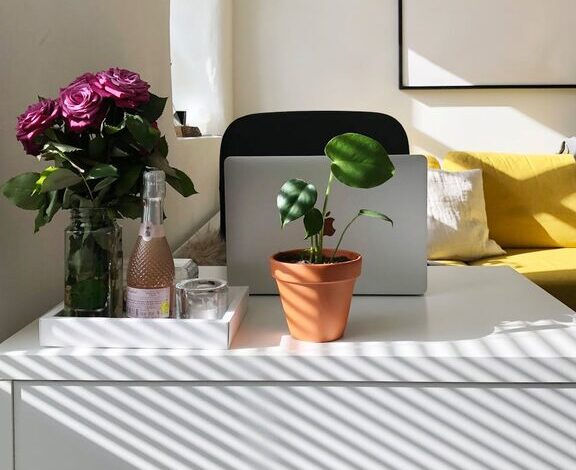
– Plants: Adding a few indoor plants can improve air quality and create a peaceful atmosphere.
– Colours: Soft, neutral colours like pale blues or greens are known to promote calmness. Consider painting your workspace or using accessories in these shades.
– Personal touches: Display photos, artwork or inspirational quotes that motivate you without causing distraction.
Optimise Lighting
Proper lighting is important to avoid eye strain and maintain energy levels.
– Task lighting: Invest in an adjustable desk lamp to provide focused light when you need it.
– Avoid glare: Position screens and lights to prevent harsh reflections on your monitor.
– Consider bulbs: Use warm, soft white bulbs to create a relaxing ambience rather than harsh fluorescent lighting.
Manage Noise Levels
Noise can be a significant distraction, so controlling sounds in your workspace is key.
– Noise-cancelling headphones: These can help you concentrate if your home is noisy.
– Soft background music: Playing gentle music or ambient sounds can mask disruptive noises and promote relaxation.
– Soundproofing: Use rugs, curtains or soft furnishings to reduce echo and absorb sound.
Establish a Routine
Your workspace should support a productive routine that includes regular breaks.
– Set working hours: Define when you start and finish work to create structure.
– Take breaks: Stand, stretch, or take a short walk every hour to stay refreshed.
– Use timers or apps: Tools like Pomodoro timers can help you balance focus with relaxation periods.
Keep Technology in Check
Technology is essential, but too many devices can clutter your workspace and mind.
– Essential gadgets only: Limit your workspace to the tools you absolutely need for work.
– Regular updates: Keep software and hardware up to date to avoid technical frustrations.
– Digital organisation: Organise files and emails daily to maintain efficiency.
Promote Good Air Quality
Fresh air contributes to a healthier and more pleasant working environment.
– Ventilation: Open windows regularly to let in fresh air.
– Air purifiers: Consider using a purifier if your room lacks airflow or has allergens.
– Humidity control: Keep humidity levels balanced with a humidifier or dehumidifier if necessary.
Final Thoughts
Designing a relaxing home workspace is about blending comfort, organisation, and personalised touches to create an environment where you can thrive. By paying attention to location, lighting, furniture, and atmosphere, you can build a space that supports both productivity and wellbeing. Remember, your workspace should work for you – so don’t hesitate to adjust things until you find what feels right.
With these tips in mind, you’ll be well on your way to creating a calm and effective workspace that helps you do your best work every day.