Tips for Creating a Productive and Comfortable Home Office Space
Creating a productive and comfortable home office space is essential for anyone working from home. Whether you’re a freelancer, remote employee, or running your own business, a well-designed workspace can make all the difference in how motivated and efficient you feel throughout the day. Here, we share tips to help you set up a home office that promotes focus, comfort, and healthy work habits.
Choose the Right Location
Selecting the ideal spot for your home office is the first step. Consider these factors:
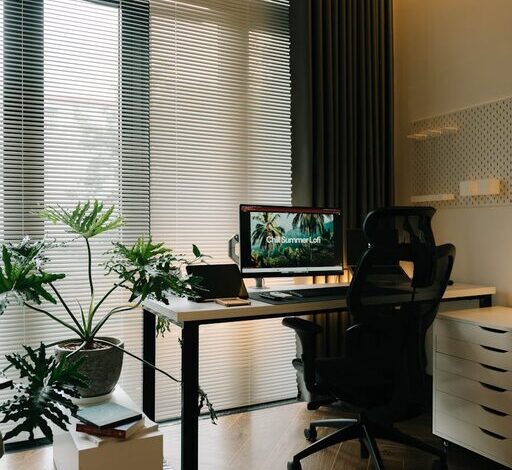
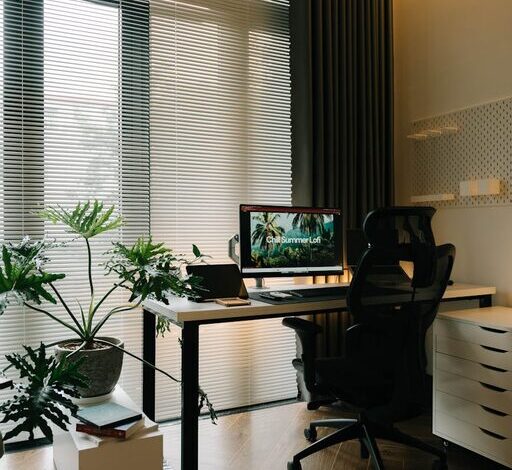
– Natural Light: A room or corner with plenty of daylight can improve mood and alertness. Position your desk near a window if possible.
– Quiet Environment: Choose a space away from household noise and distractions to maintain concentration.
– Privacy: If possible, select a separate room or a nook where you won’t be disturbed during meetings or focused work.
If you don’t have a dedicated room, creating a temporary setup with screens or room dividers can help define your workspace.
Invest in Comfortable and Ergonomic Furniture
Furniture plays a major role in both comfort and productivity.
– Desk: Pick a desk that fits your space and provides enough room for your computer, documents, and other essentials.
– Chair: Invest in an ergonomic office chair that supports your back and allows for adjustments in height and tilt. This helps prevent strain and posture-related issues.
– Adjustable Features: Consider a sit-stand desk or a desk converter to vary your position throughout the day, which can reduce fatigue.
Organise Your Workspace Effectively
A tidy and well-organised environment can improve your focus.
– Declutter: Keep only the essentials on your desk. Store other items in drawers or shelves.
– Storage Solutions: Use organisers, filing cabinets, or baskets to keep papers and equipment neatly arranged.
– Cable Management: Use clips or cable organisers to keep wires untangled and out of the way.
Maintaining organisation reduces distractions and saves time spent searching for items.
Optimise Lighting
Good lighting reduces eye strain and boosts mental alertness.
– Natural Light: Maximise daylight as much as possible.
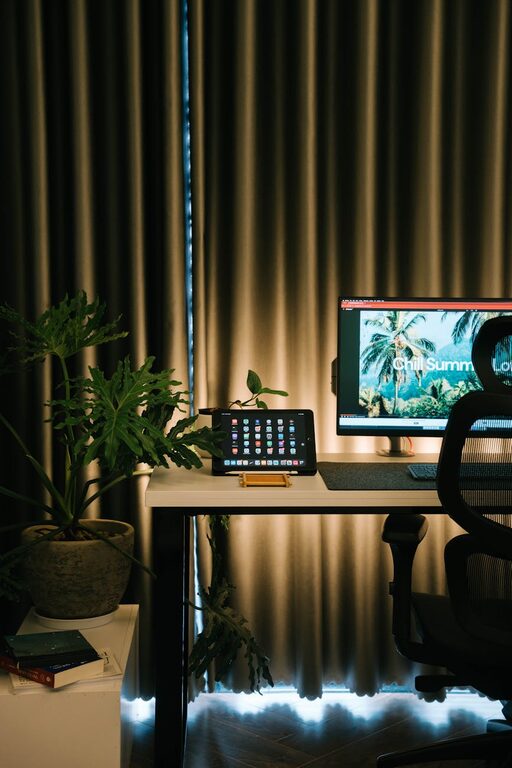
– Task Lighting: Use a desk lamp with adjustable brightness for focused work, especially in the evening.
– Avoid Glare: Position screens and lights to reduce reflections and glare on monitors.
Personalise Your Space
Adding personal touches can make your home office a pleasant and inviting place to work.
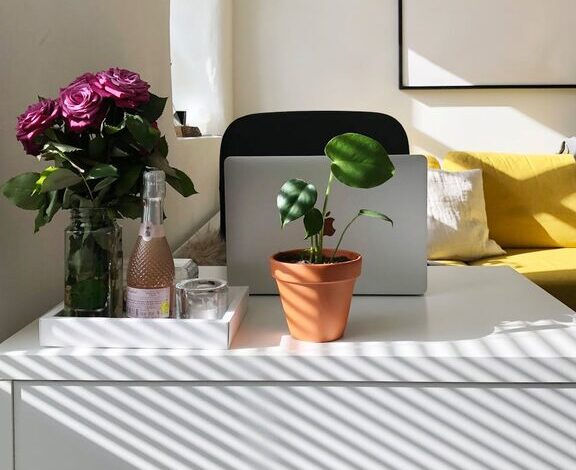
– Plants: Indoor plants not only brighten your space but improve air quality and create a calming atmosphere.
– Artwork: Hang inspiring photos or posters to personalise the room.
– Accessories: Use colourful stationery or calming scents like essential oils to enhance your mood.
Just be mindful not to overdo it, as too many distractions might reduce productivity.
Create a Routine and Boundaries
A dedicated home office space helps establish work-life boundaries.
– Set Working Hours: Treat your home office like a traditional workspace by having fixed hours.
– Start and End Rituals: Begin your day with a morning routine and finish by tidying the desk to signal the end of work.
– Minimise Distractions: Use noise-cancelling headphones or apps that block social media during work time.
This structure supports focus and prevents burnout from working too long without breaks.
Improve Air Quality and Temperature
Comfortable air quality and temperature contribute to your wellbeing.
– Ventilation: Open windows regularly or use an air purifier to ensure fresh air circulation.
– Temperature Control: Maintain a comfortable temperature and consider a fan or heater if needed.
Use Technology Wisely
Equip your desk with reliable technology suited to your work.
– Computer and Peripherals: Choose devices with sufficient power, memory, and screen size.
– Internet Connection: Ensure a fast and stable internet connection to prevent interruptions.
– Backup Solutions: Use cloud storage or external drives to keep your data safe.
Incorporate Movement and Breaks
Sitting for long periods is unhealthy and counterproductive.
– Take Regular Breaks: Stand up, stretch, or take short walks every hour.
– Exercise: Use break times for quick exercises or yoga to refresh your body and mind.
Standing desks or balance balls can also encourage movement while working.
Maintain Cleanliness
Regularly clean your office space to maintain hygiene and a welcoming atmosphere.
– Dust and Wipe: Clean surfaces, keyboards, and screens to reduce allergens.
– Waste Management: Keep a bin nearby for easy disposal of rubbish.
Final Thoughts
Designing a productive and comfortable home office is all about balancing functionality and personal comfort. By carefully choosing your location, investing in ergonomic furniture, keeping your space organised, and maintaining healthy routines, you can create a home office that supports both your professional and personal wellbeing. Small adjustments can make a big difference in how you feel and perform during your working day.