Tips for Creating a Relaxing Home Workspace to Boost Productivity
Creating a relaxing home workspace is essential for staying focused and productive throughout your workday. Whether you are working remotely full-time or just need a dedicated area for occasional tasks, your environment plays a big role in how well you perform. In this post, we will explore practical tips to make your home workspace both calming and efficient.
Why a Relaxing Workspace Matters
When your workspace feels cluttered, noisy, or uncomfortable, it can be difficult to concentrate. A relaxing environment helps reduce stress and distractions, allowing your mind to stay focused on the task at hand. Even small improvements can boost your mood, creativity, and energy levels.
Choose the Right Location
Find a Quiet Spot
Select a corner or room away from high-traffic areas like the kitchen or living room. Reducing background noise makes it easier to concentrate and take calls without interruptions.
Natural Light is a Bonus
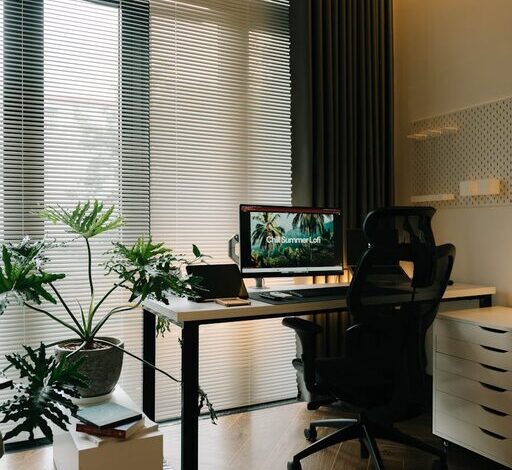
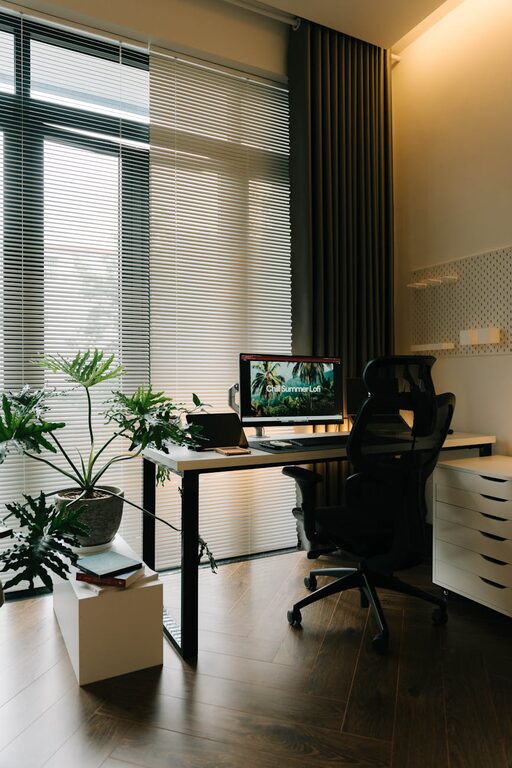
Position your desk near a window to benefit from natural light. Sunlight not only brightens your space but supports your natural circadian rhythms, keeping you alert and refreshed.
Invest in Comfortable Furniture
Ergonomic Chair and Desk
A supportive chair helps prevent back pain and encourages good posture. Pair this with a suitable desk at the right height to avoid strain on your neck or wrists.
Consider Standing Options
If possible, a sit-stand desk allows you to switch postures during the day, promoting better circulation and reducing fatigue.
Declutter and Organise
Keep Surfaces Clear
Remove unnecessary items from your desk to create a neat and inviting work area. A tidy surface reduces distractions and helps your brain focus.
Smart Storage Solutions
Use shelves, drawers, or organisers to keep documents and supplies in order. Label boxes or folders for quick access and less fuss.
Add Personal, Calming Touches
Soothing Colours
Choose a colour palette that makes you feel calm — soft blues, greens, or neutral shades work well to reduce anxiety.
Plants and Nature
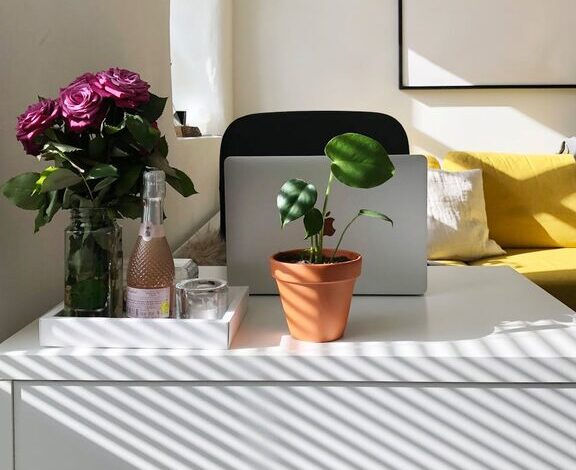
Indoor plants not only improve air quality but also add a touch of nature, which can boost mood and creativity.
Gentle Lighting
Avoid harsh overhead lights. Incorporate desk lamps or floor lamps with adjustable brightness to create a warm and inviting atmosphere.
Set Boundaries and Establish Routine
Define Work Hours
Clearly set the times you start and finish work to preserve work-life balance. This helps your brain switch between ‘work mode’ and ‘relaxation mode’.
Take Breaks
Incorporate short breaks to stretch, hydrate, or simply breathe. Regular pause times increase productivity and prevent burnout.
Use Technology Wisely
Reduce Screen Glare
Position your screen to avoid reflections. Consider an anti-glare filter or adjust screen brightness as needed.
Minimise Distractions
Turn off non-essential notifications or use apps that block distracting websites during work hours.
Maintain Air Quality and Temperature
Fresh Air
If possible, open windows periodically for fresh air. Good ventilation keeps your workspace comfortable and your mind clearer.
Comfortable Temperature
Use fans or heaters to maintain a temperature where you can focus without feeling too hot or cold.
Final Thoughts
Creating a relaxing home workspace doesn’t require a major renovation. Small changes — like adding a plant, organising your desk, or improving lighting — can make a significant difference in your productivity and well-being. Tailor your workspace to your preferences and needs, and watch your workdays become more enjoyable and effective.
Remember, the key is making your home office a place where you feel calm, comfortable, and ready to concentrate.