
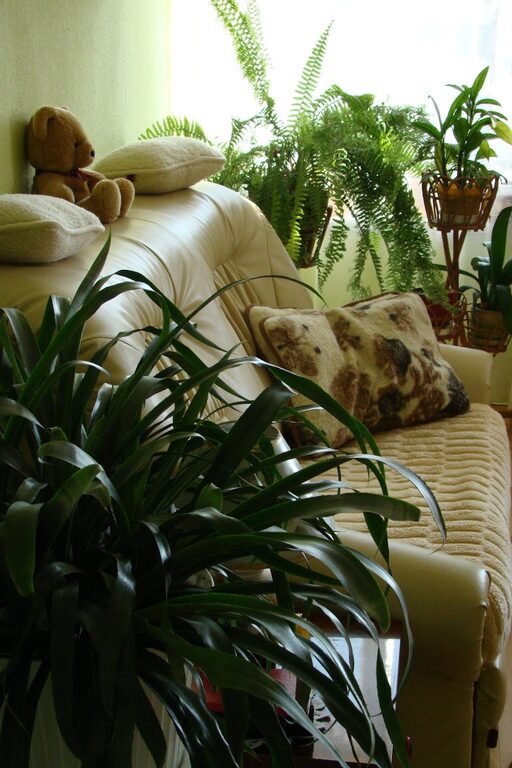
The Benefits of Incorporating Indoor Plants into Your Home Décor
Bringing nature inside your home by incorporating indoor plants into your décor has become a popular trend—and it’s easy to see why. Beyond their aesthetic appeal, indoor plants offer a wide range of benefits that can improve your living environment and well-being. Whether you’re a seasoned plant enthusiast or new to the idea of houseplants, this guide explores the advantages of adding greenery to your home and practical tips to get started.
Why Choose Indoor Plants?
Indoor plants are more than just decorative items. They provide a connection to nature, contributing to a calming atmosphere that can transform any room. Plants come in various shapes, sizes, and textures, allowing you to personalise your living space while reaping several health and environmental benefits.
Benefits of Indoor Plants for Your Home and Health
1. Improved Air Quality
One of the most well-known benefits of indoor plants is their ability to purify the air. Plants absorb carbon dioxide and release oxygen through photosynthesis. Some plants can also filter harmful toxins and pollutants commonly found indoors, such as formaldehyde, benzene, and trichloroethylene, which can be emitted from furniture, cleaning products, or paint.
Popular air-purifying plants include:
– Spider Plant (Chlorophytum comosum)
– Peace Lily (Spathiphyllum)
– Snake Plant (Sansevieria)
– Aloe Vera
– Boston Fern (Nephrolepis exaltata)
Adding a few of these to your home can contribute to fresher, cleaner air.
2. Boosted Mood and Reduced Stress
Numerous studies have shown that indoor plants can help reduce stress and improve mood. The act of caring for plants promotes mindfulness, patience, and a sense of achievement. Their presence has been linked to decreased anxiety and increased feelings of calm and relaxation.
Creating a green corner or placing plants in areas where you spend a lot of time, such as your bedroom or home office, can be especially beneficial for mental wellbeing.
3. Enhanced Humidity Levels
Indoor heating or air conditioning can dry out the air in your home, which may lead to dry skin, irritated sinuses, and respiratory discomfort. Plants release moisture as part of their natural transpiration process, helping to raise humidity levels indoors.
This can make your home more comfortable, especially during colder months, and better for your skin and respiratory health.
4. Improved Concentration and Productivity
If you work or study from home, positioning indoor plants near your workspace has been shown to improve concentration, memory, and productivity. The presence of greenery stimulates the brain and can make your environment feel more inviting and less stressful.
5. Aesthetic Appeal and Versatility
Indoor plants add texture, colour, and life to any room, enhancing the overall look of your home. Greenery complements various interior styles—from minimalist to bohemian—and can soften hard edges or fill empty corners.
Plants come in hanging pots, small tabletop varieties, floor-standing specimens, and even themed collections, making it easy to customise your space with living décor.
Tips for Incorporating Indoor Plants into Your Home Décor
Choose the Right Plants for Your Space
Consider lighting, temperature, and humidity levels in different areas of your home. Some plants thrive in bright, indirect light, while others tolerate shade better.
– Low light: ZZ Plant, Pothos, Philodendron
– Bright light: Fiddle Leaf Fig, Succulents, Cacti
– High humidity: Boston Fern, Spider Plant
Use Attractive Containers and Arrangement Styles
Plant pots and containers come in a variety of materials such as ceramic, terracotta, metal, or woven baskets. Mixing and matching pot styles adds visual interest.
Group plants in clusters of varying heights or create a plant shelf to showcase them. Hanging planters and wall-mounted shelves are great space-saving options.
Care and Maintenance
Regular watering, feeding, and occasional pruning keep your plants healthy and looking their best. Avoid overwatering by checking if the top layer of soil is dry before watering again.
Dust leaves occasionally to help plants absorb light efficiently. Rotate plants every few weeks to promote even growth.
Consider Plant Safety
If you have pets or small children, research plants to ensure they are non-toxic. Some common houseplants can be harmful if ingested.
Final Thoughts
Incorporating indoor plants into your home décor does more than brighten up your space—it enriches your environment, supports wellbeing, and creates a warmer, more inviting atmosphere. With options suitable for all levels of experience and spaces, growing your indoor garden can be a rewarding and enjoyable journey. Whether you start with a single succulent or build a lush indoor jungle, the benefits of plants in the home are clear and plentiful. So why not bring a bit of nature indoors today?
